
Search Engine Optimization: Hidden Tactics Most Websites Miss in 2025

Search engine optimization drives 53% of all website traffic. With Google processing more than 8.5 billion searches every day, the importance of ranking well cannot be overstated. We’ve discovered that despite these impressive numbers, most websites continue to miss critical SEO tactics that could dramatically improve their visibility.
The primary goal of search engine optimization is to increase organic traffic by improving your website’s relevance and authority in the eyes of search engines. Consequently, this leads to higher quality website performance and better viewer-to-customer conversion rates. Organic search is considered the highest ROI channel by 49% of marketers, yet many fail to leverage the full potential of available search engine optimization tools and strategies.
In this comprehensive guide, we’ll explore the hidden SEO tactics that most websites overlook in 2025. From technical fixes to content optimization opportunities, we’ll provide actionable insights to help you outrank your competition and capture more of that valuable organic traffic.
Missed On-Page SEO Tactics in 2025
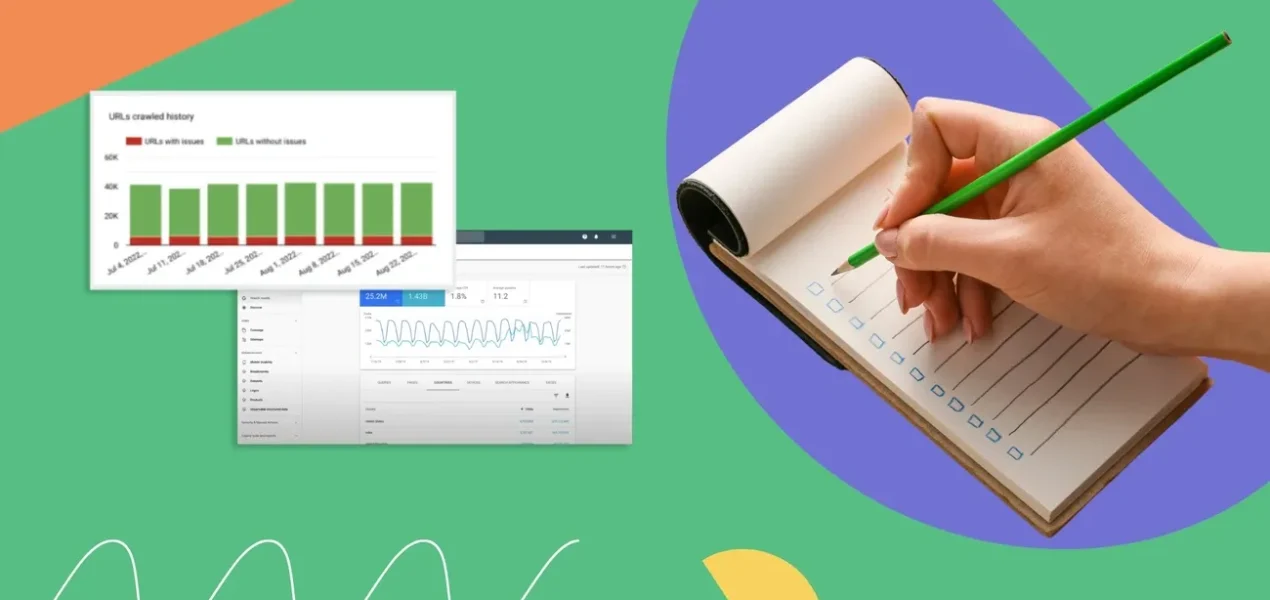
On-page SEO elements remain foundational to search success, yet many websites overlook crucial tactics that could significantly boost their rankings. In 2025, these missed opportunities can mean the difference between page one visibility and digital obscurity. Let’s explore the three most commonly overlooked on-page SEO tactics that continue to deliver exceptional results.
Using semantic HTML5 tags for better crawlability
Semantic HTML is the implementation of HTML tags that clearly define the purpose of content they contain, making your code more comprehensible to both developers and search engines alike. Unlike generic div tags, semantic elements like <header>, <nav>, <main>, <article>, <section>, <aside>, and <footer> communicate specific meaning about content structure.
When search engines crawl your site, these tags serve as clear signals about content hierarchy and importance. For instance, content within the <main> tag is recognized as the primary information, while the <article> tag indicates self-contained, independent content that search engines should prioritize.
Implementing semantic HTML5 delivers three key benefits:
Improved crawlability – Search engines can better understand which parts of your content are central
Enhanced accessibility – Screen readers can interpret content more accurately
Cleaner code – Easier maintenance for developers
By properly implementing these tags, you help search algorithms confidently interpret your content—and if search engines understand your content better, they’re more likely to rank it appropriately.
Optimizing for featured snippets with question-based H2s
Featured snippets—those answer boxes appearing above organic results—occupy “position zero” and take up significantly more SERP real estate than standard results. They’re essentially shortcuts to the top of Google’s organic results, presenting a prime opportunity to capture significant traffic.
The most effective way to optimize for featured snippets is structuring content around questions your audience is asking. Format your H2 headings as direct questions (e.g., “How do you write SEO content?”) rather than generic statements. Then, answer that question concisely in the paragraph immediately following.
For optimal snippet potential, follow these formatting guidelines:
Provide direct answers in introductory sentences (40-50 words is ideal)
Use proper HTML tags:
<h2>for questions,<p>for answers, and<ol>or<ul>for listsCreate lists longer than 8 points to encourage clicks (Google will add a “More items” link)
For table snippets, design tables with a maximum of 3 columns and 9 rows
Tools like AnswerThePublic allow you to generate question-based long-tail keywords quickly, revealing exactly what information your audience seeks.
Leveraging FAQ schema for long-tail visibility
FAQ schema markup is structured data that helps search engines understand and display frequently asked questions in search results as rich snippets. When properly implemented, this markup enhances visibility, improves click-through rates, and provides users with direct answers right in search results.
Beyond the obvious visibility benefits, FAQ schema excels at capturing long-tail keyword traffic. According to research, most featured snippets are triggered by long-tail keywords, which typically have lower search volumes but higher conversion potential.
Implementing FAQ schema requires adding JSON-LD markup to your page HTML. After implementation, always verify your work with Google’s Structured Data Testing Tool to catch errors early. The schema must follow Google’s guidelines, including:
Using FAQPage only for pages with a list of questions and answers
Including the entire question and answer text in each markup
Making all FAQ content visible to users on the page
Avoiding promotional content within the FAQ schema
Additionally, FAQ schema improves compatibility with voice search, where digital assistants like Google Assistant and Amazon’s Alexa often pull from featured snippets to provide answers.
Overlooked Technical SEO Fixes That Hurt Rankings
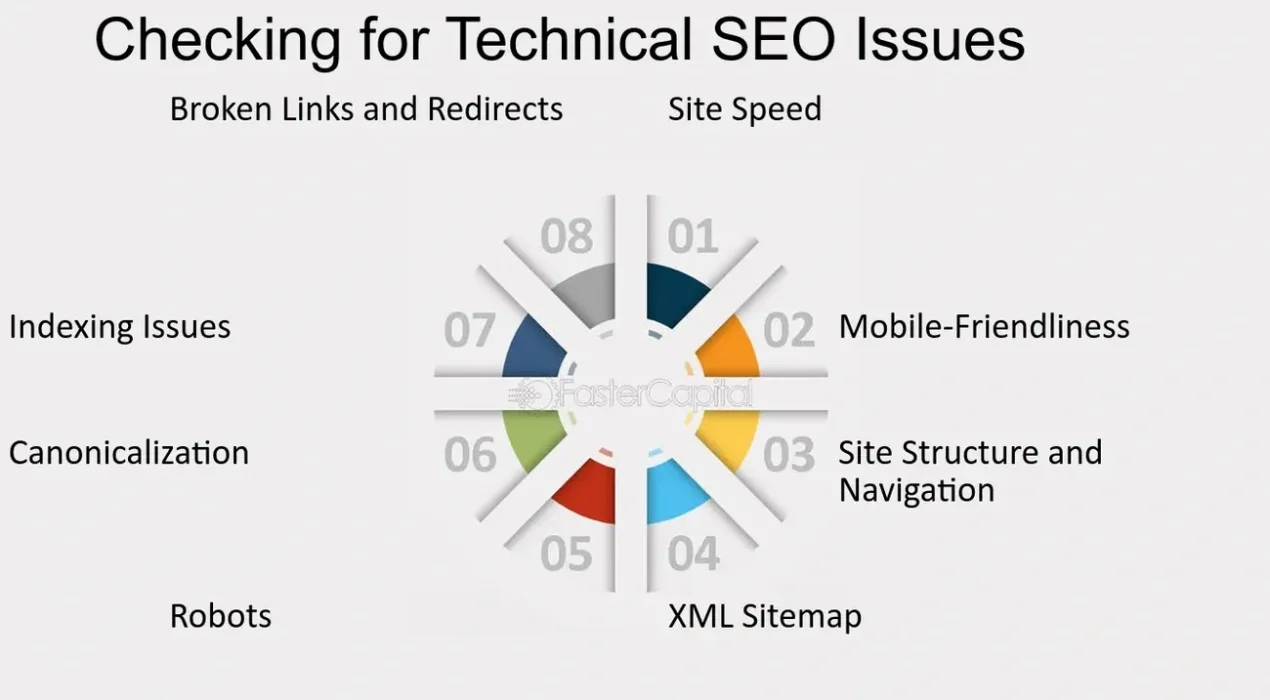
Technical SEO issues often lurk beneath the surface of many websites, silently damaging rankings without site owners even realizing it. I’ve noticed that while many businesses focus on content creation and link building, they frequently neglect critical backend optimizations that search engines prioritize in their ranking algorithms. Here are three commonly overlooked technical fixes that could be hurting your search visibility right now.
Uncompressed JavaScript and CSS files
Website loading speed directly impacts both user experience and search rankings. Uncompressed JavaScript and CSS files represent one of the most prevalent yet easily fixable speed issues. These bloated files can significantly slow down page loading times, leading to higher bounce rates and lower rankings.
When JavaScript files remain uncompressed, they carry unnecessary whitespace, comments, and redundant characters that increase their size by up to 70% [1]. Similarly, unminified CSS files contain extraneous elements that serve no functional purpose but considerably slow down your site.
To fix this overlooked issue:
Implement file minification to remove whitespace, unnecessary semicolons and comments
Enable Gzip compression on your web server to further reduce file sizes during transmission
Consider using performance optimization plugins if you’re on WordPress
Split large JavaScript files into smaller components to improve caching efficiency
Missing hreflang tags for multilingual sites
For websites serving multiple regions or languages, hreflang tags are crucial yet commonly forgotten elements. These HTML attributes tell search engines which language and geographical region a specific webpage targets, ensuring users see the most appropriate version.
Google’s John Mueller describes hreflang as “one of the most complex aspects of SEO” because it “gets really hard quickly” [2]. This complexity explains why 67% of hreflang implementations have issues [2]. Without proper implementation, international visitors might encounter irrelevant content, increasing bounce rates and decreasing conversions.
Proper hreflang implementation requires bidirectional linking—each language variant must reference itself and all other language versions. Furthermore, always include the x-default tag to specify a fallback page when no language variant matches the user’s preference.
Improper canonical tag usage on paginated content
Canonical tags help prevent duplicate content issues by specifying the preferred version of a page. However, pagination presents unique challenges that many sites handle incorrectly.
For paginated content like product listings or blog archives, each page should typically include a self-referencing canonical tag pointing to its own URL—not to page one [3]. This approach clarifies to search engines that each paginated page represents unique content rather than a duplicate.
When implemented incorrectly, canonical tags can prevent search engines from indexing important content or consolidate ranking signals inappropriately. This mishandled technical element often results in lost visibility for deeper pages within your site.
<Download our SEO checklist to ensure you’re not missing these critical technical fixes that could be silently damaging your rankings.>
Importantly, canonical tags work alongside other pagination signals like rel=”prev” and rel=”next” tags to create a clear content structure for search engines. When properly implemented, these technical elements help preserve search rankings and create a coherent site architecture.
Improper canonical tag usage on paginated content
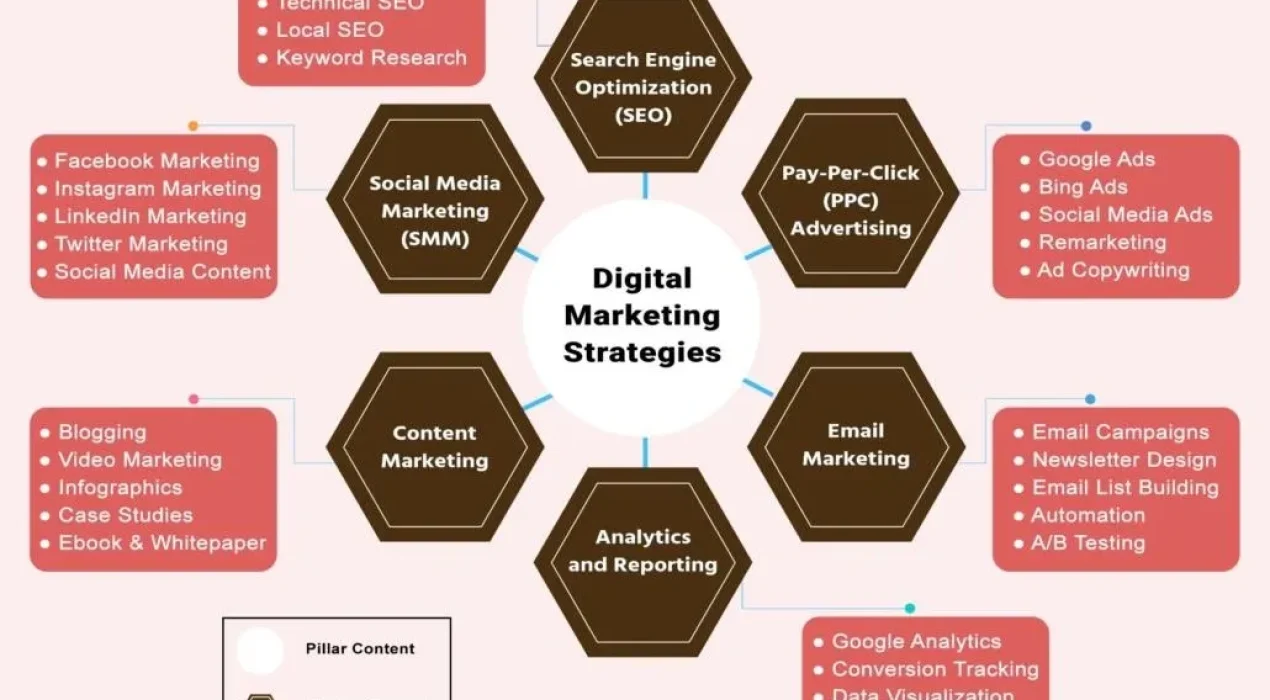
Content optimization represents the backbone of modern search engine optimization, yet many websites focus solely on surface-level tactics. Behind the scenes, several powerful content strategies remain largely untapped by most site owners. These hidden opportunities can dramatically expand your search visibility when properly implemented.
Using search intent clusters instead of single keywords
Many site owners neglect their older content, missing valuable opportunities to enhance SEO performance. In fact, older blogs and articles often act as “linkmines” for driving organic search results over time [7]. When refreshing existing content, strategic internal linking becomes particularly powerful.
To maximize this opportunity:
Identify high-authority pages using tools like SEMRush to find content with existing backlinks [7]
Add internal links from these pages to newer, topically related pages that need visibility [6]
Use descriptive anchor text that matches the search intent of the target page [6]
This approach effectively passes link authority to other relevant pages on your site, boosting their organic visibility [6]. Moreover, internal linking helps search engines better understand your site structure while improving user navigation [6].
Updating old content with new internal links
Keyword clustering consolidates your SEO efforts by grouping similar keywords based on user search intent. Instead of creating separate pages for closely related terms, this approach lets you target multiple keywords with a single piece of content. The strategy improves your chances of ranking for various search terms simultaneously while addressing user needs more comprehensively.
Search intent clustering offers several advantages over traditional single-keyword targeting:
Content based on keyword clusters can rank for hundreds or even thousands of related terms [4]
Clusters reduce keyword cannibalization by preventing similar pages from competing against each other [5]
They enable you to uncover secondary keywords and subtopics that might otherwise be missed [5]
As Google’s algorithm evolves to understand topics rather than isolated keywords, clustering has become even more valuable. In 2025, successful websites think about ranking for comprehensive topics rather than individual search terms [6].
Embedding video transcripts for additional keyword coverage
Search engines can’t “watch” videos—they rely on text to understand video content. By adding transcripts, you create crawlable text that expands your keyword coverage significantly.
Video transcripts provide multiple SEO benefits:
They enable search engines to index everything said in your video [8]
Pages with transcripts earned an average of 16% more revenue compared to pages without transcripts [8]
Transcripts increase both keyword density and keyword diversity [8]
Additionally, transcripts provide excellent starting points for developing derivative content like case studies, blogs, and infographics—all of which can boost your SEO footprint [8]. Ultimately, this single optimization tactic makes your video content visible to search engines while creating opportunities to rank for dozens of additional keywords.
Underused Off-Page SEO Strategies
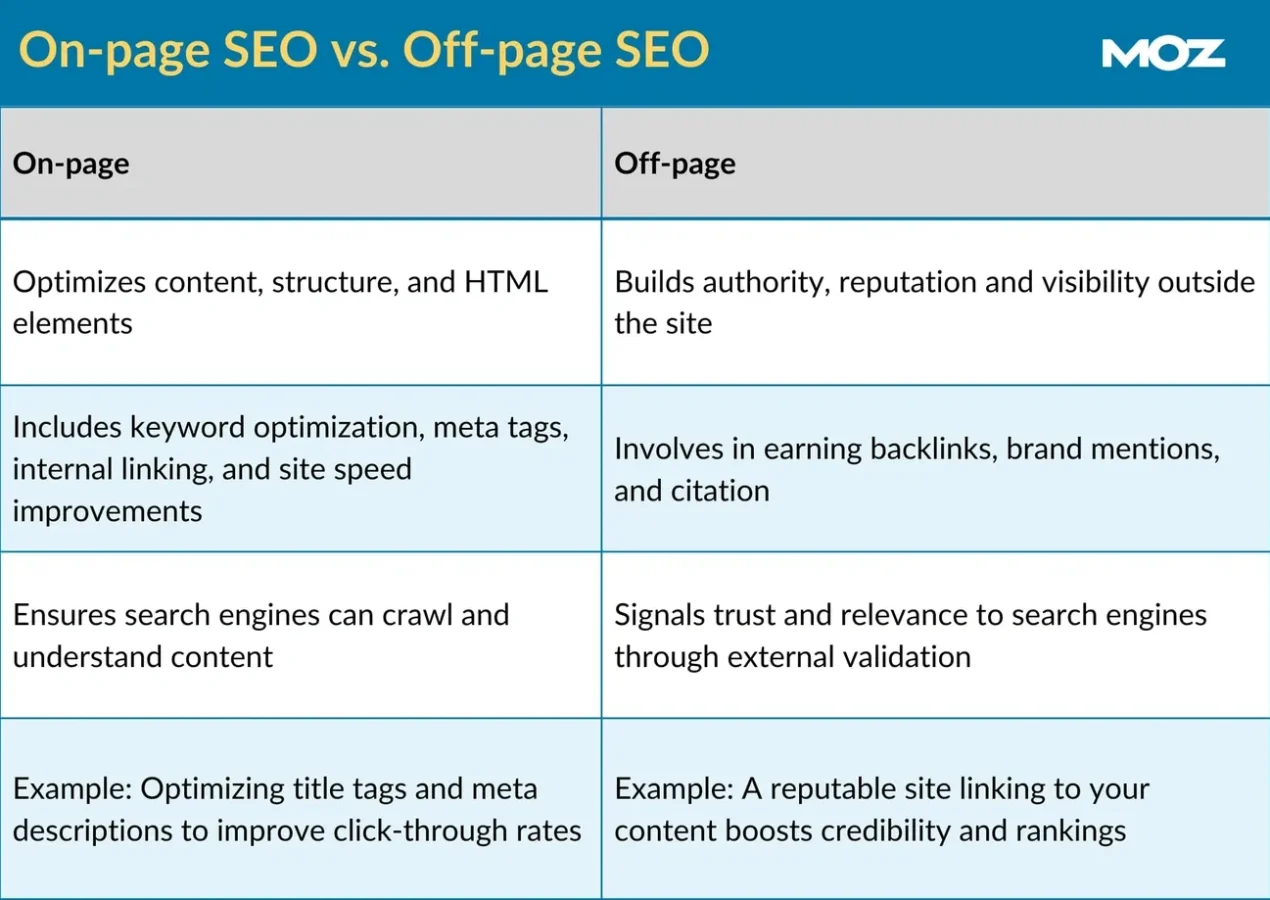
Off-page SEO remains one of the most powerful yet underutilized aspects of search visibility. While many websites focus internally, strategic external efforts often yield the highest returns. Let’s explore three off-page strategies that most websites consistently overlook.
Building backlinks through unlinked brand mentions
Unlinked brand mentions represent an untapped goldmine of backlink opportunities. These are instances where websites reference your brand without actually linking to your site [9]. According to John Mueller from Google, although unlinked mentions don’t pass the same signal value as actual links, converting them into backlinks can maximize their SEO potential [9].
To capitalize on this opportunity:
Monitor brand mentions using tools like Brand Monitoring, Google Alerts, or reverse image searches
Focus on mentions from news sites and blogs, as these carry the most SEO value [9]
Reach out promptly—placement rates drop significantly if contacting journalists more than 24-48 hours after publication [10]
A simple email thanking them for the mention and requesting a link can achieve conversion rates far higher than cold outreach campaigns.
Using digital PR to earn high-authority links
Digital PR combines public relations, SEO, and content marketing to build online visibility [11]. Unlike traditional PR, digital PR specifically targets backlinks from authoritative online publications—a major ranking factor [11].
This approach works primarily by:
Creating newsworthy stories related to your brand
Distributing content to relevant writers via targeted outreach
Earning media coverage that naturally includes backlinks
Digital PR not only improves domain authority but also accelerates content indexing and visibility [11]. Campaigns featuring unique research or data-driven stories typically generate the highest quantity of mentions and backlinks [12].
Leveraging niche forums and communities for link diversity
Link diversity signals natural authority to search engines. Niche forums provide opportunities to build contextual backlinks while engaging with targeted communities [13].
When selecting forums for backlink building, prioritize:
Relevance to your industry
Domain authority of the platform
Activity levels among members
Forum policies regarding backlinks [14]
Forums like Stack Overflow for developers and Moz Community for SEO professionals offer high domain authority within specialized niches [14]. The key lies in providing genuine value rather than promoting your site—meaningful contributions establish credibility, subsequently encouraging profile visits and clicks on your links.
Search Engine Optimization Tools Most Sites Ignore
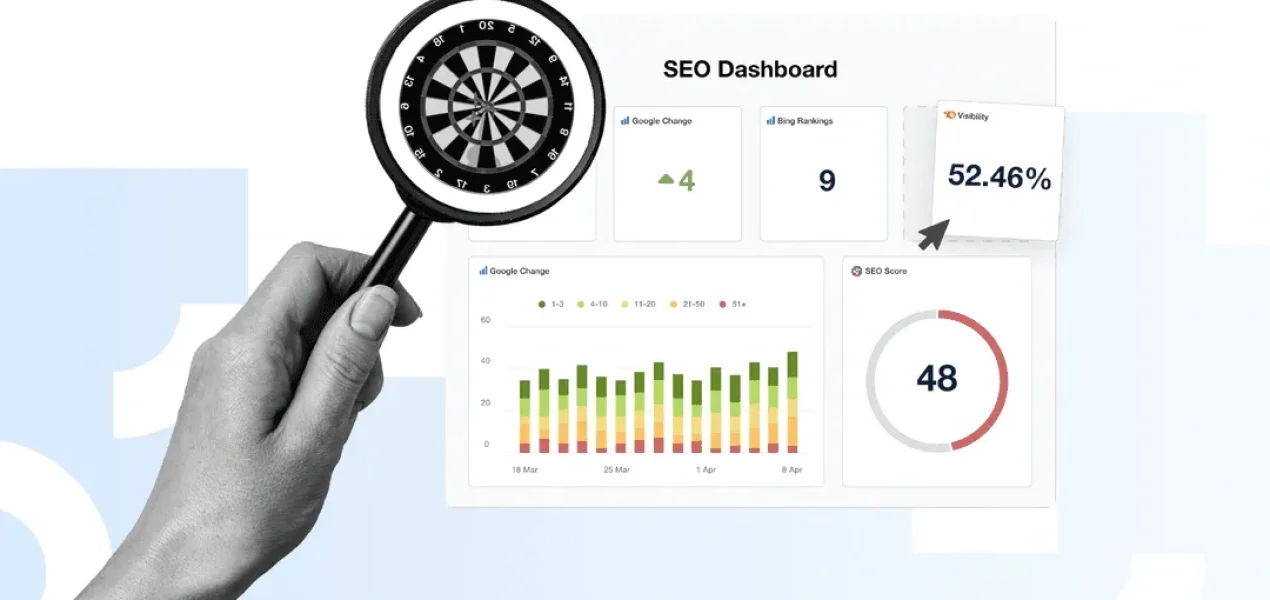
Powerful yet underutilized tools exist that can drastically enhance your search engine optimization efforts without requiring massive budgets. These tools provide data-driven insights that most competitors simply overlook.
Using Google Trends for seasonal content planning
Google Trends offers a free glimpse into how search behaviors fluctuate throughout the year. This tool provides aggregated, anonymized search data that reveals when specific topics spike in popularity. Prior to creating content, analyze search patterns going back 5 years to identify recurring seasonal trends. Interestingly, these patterns often differ across countries, necessitating separate analysis for different markets. By publishing content shortly before predicted search surges, you’ll position your website to capture traffic at precisely the right moment.
Leveraging Bing Webmaster Tools for additional insights
While everyone focuses on Google, Bing Webmaster Tools offers unique data not available elsewhere. The platform recently added an IndexNow Insights report and a top SEO insights feature that highlights critical issues affecting your site’s performance. Alongside standard metrics, Bing provides detailed keyword data showing exactly which queries drive traffic to specific pages on your website.
Using Screaming Frog to detect orphan pages
Orphan pages exist on your website but lack internal links, making them virtually invisible to both users and search engines. Nevertheless, these pages consume crawl budget and can contribute to index bloat. Screaming Frog can identify these hidden pages by cross-referencing your site structure with data from XML Sitemaps, Google Analytics, and Search Console. Once detected, these pages should either be integrated into your site’s architecture or removed entirely.
Conclusion
Search engine optimization continues to evolve rapidly, yet many website owners still miss these critical tactics that could significantly boost their rankings. Throughout this guide, we’ve explored several hidden SEO opportunities that remain largely untapped in 2025.
Semantic HTML5 tags, featured snippet optimization, and FAQ schema represent powerful on-page tactics that most competitors overlook. Similarly, technical fixes like JavaScript compression, proper hreflang implementation, and correct canonical tag usage often make the difference between ranking success and obscurity.
Content optimization presents perhaps the greatest opportunity for competitive advantage. Search intent clusters, strategic internal linking of older content, and video transcript optimization all deliver substantial ranking improvements with relatively modest effort.
Additionally, off-page strategies like converting unlinked mentions, leveraging digital PR, and participating in niche forums build the diverse backlink profile search engines reward. When combined with underutilized tools such as Google Trends for seasonal planning, Bing Webmaster Tools for unique insights, and Screaming Frog for detecting orphan pages, these tactics form a comprehensive approach to modern SEO.
The difference between average and exceptional search performance often lies not in following common practices but in implementing these overlooked strategies. We strongly recommend you download our SEO checklist to ensure you’re capturing all these hidden opportunities while your competitors remain unaware of their potential.
Undoubtedly, search engine optimization requires constant adaptation as algorithms evolve. However, these fundamental yet frequently missed tactics will likely remain valuable well beyond 2025. The websites that implement them now will establish a significant competitive advantage that becomes increasingly difficult for others to overcome.
Key Takeaways
Most websites miss critical SEO opportunities that could dramatically improve their search visibility and organic traffic performance.
• Use semantic HTML5 tags like <main> and <article> to help search engines better understand and crawl your content structure • Optimize for featured snippets by formatting H2 headings as direct questions and providing concise 40-50 word answers immediately below • Fix technical issues like uncompressed JavaScript/CSS files and missing hreflang tags that silently damage your rankings • Build search intent clusters instead of targeting single keywords to rank for hundreds of related terms simultaneously • Convert unlinked brand mentions into backlinks through simple outreach for high-conversion link building opportunities
These overlooked tactics form a comprehensive approach that creates significant competitive advantages while competitors remain unaware of their potential. The websites implementing these strategies now will establish search dominance that becomes increasingly difficult for others to overcome.
FAQs
Q1. What are some overlooked on-page SEO tactics for 2025? Key overlooked tactics include using semantic HTML5 tags for better crawlability, optimizing for featured snippets with question-based H2s, and leveraging FAQ schema for long-tail visibility. These techniques help search engines better understand and prioritize your content.
Q2. How can technical SEO issues impact website rankings? Unaddressed technical issues like uncompressed JavaScript and CSS files, missing hreflang tags for multilingual sites, and improper canonical tag usage on paginated content can significantly hurt rankings. These problems can slow down your site, confuse search engines, and lead to lost visibility.
Q3. What are some hidden content optimization opportunities? Often-missed opportunities include using search intent clusters instead of single keywords, updating old content with new internal links, and embedding video transcripts for additional keyword coverage. These strategies can dramatically expand your search visibility and improve overall SEO performance.
Q4. How can businesses leverage underused off-page SEO strategies? Underutilized off-page tactics include building backlinks through unlinked brand mentions, using digital PR to earn high-authority links, and leveraging niche forums and communities for link diversity. These approaches can significantly boost your site’s authority and search rankings.
Q5. What SEO tools are commonly overlooked by most websites? Many sites ignore powerful tools like Google Trends for seasonal content planning, Bing Webmaster Tools for additional insights, and Screaming Frog for detecting orphan pages. These tools can provide valuable data-driven insights to enhance your SEO efforts without requiring massive budgets.

Jay
Leave a Reply
Your email address will not be published. Required fields are marked *
Share this article
Newsletter
Join over 150,000 marketing managers who get our best social media insights, strategies and tips delivered straight to their inbox.